Blog ·
Choosing Bathroom Tile: Materials, Patterns, and Installation Tips
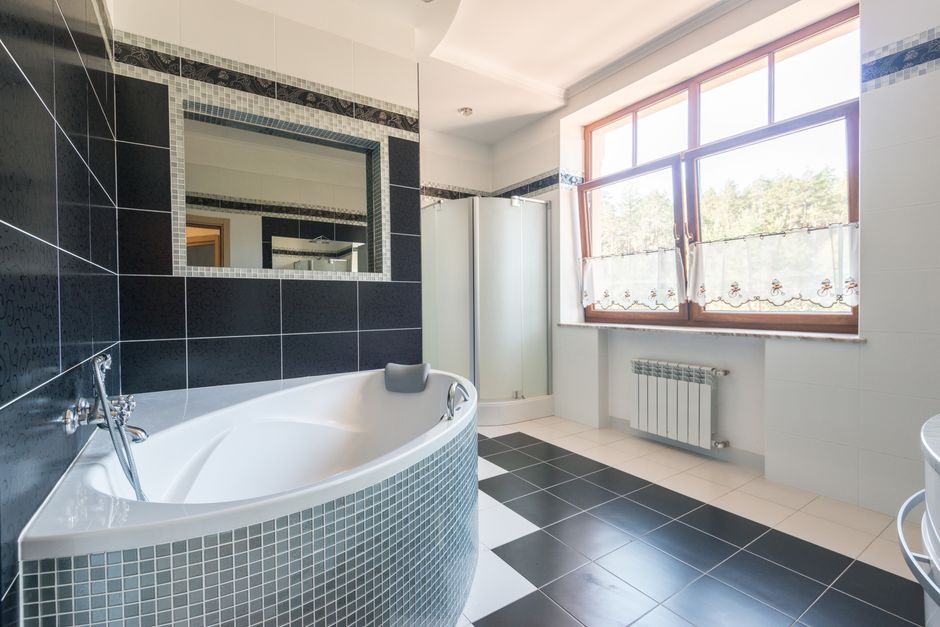
Tile is one of the most visible and tactile elements of your bathroom renovation. The right tile selection combines aesthetic appeal with practical performance, creating a space that's both beautiful and functional. Understanding your options empowers you to make choices aligned with your design vision and maintenance preferences.
Tile Material Options
Ceramic tiles offer versatility and affordability, available in countless colors, patterns, and finishes. They're adequate for most bathroom applications, though they're more porous than porcelain and can absorb moisture if not properly sealed.
Porcelain tiles are fired at higher temperatures, creating a denser material with superior water resistance. This makes porcelain ideal for wet areas like shower walls and floors. Porcelain comes in matte, glossy, and textured finishes, and modern manufacturing allows for realistic reproductions of natural stone, wood, and concrete.
Natural stone tiles—including marble, granite, and limestone—provide timeless elegance and unique veining patterns. However, stone is porous and requires regular sealing to resist water damage and staining. It also demands more maintenance than ceramic or porcelain alternatives.
Glass tiles create luminous, jewel-like effects and resist moisture naturally. They work beautifully as accent tiles or in limited applications, though they require careful installation to prevent chipping.
Tile Size and Layout
Large-format tiles create visual continuity and minimize grout lines, making bathrooms feel more spacious and simplified for cleaning. Conversely, small mosaic tiles or subway tiles enable creative patterns and visual interest. Your choice should reflect both your aesthetic preferences and practical maintenance standards—more grout lines mean more places where mold and mildew can develop.
Layout patterns significantly impact the final appearance. Straight grids provide clean, classic aesthetics. Diagonal patterns add movement and visual interest. Herringbone and chevron arrangements create dynamic focal points, particularly on accent walls or shower surrounds.
Slip Resistance and Safety
Bathroom floors experience constant moisture exposure, making slip resistance essential. Textured finishes, matte glazes, and tiles with embedded grip particles provide safer footing than smooth, polished surfaces. Shower floors demand particular attention—textured porcelain tiles with high coefficient of friction prevent accidents better than marble or polished ceramic alternatives.
Grout and Sealing Considerations
Grout serves both functional and aesthetic purposes. Epoxy grout resists staining better than traditional cement-based grout, though it's more challenging to install and clean. Color selection impacts visual impact—matching grout blends tiles seamlessly, while contrasting grout emphasizes patterns and lines.
Sealing natural stone and some ceramic tiles protects against water penetration and staining. This requirement varies by material, so understanding your tile's maintenance needs before installation prevents future problems.
Professional Installation Matters
Proper tile installation requires expertise in slope, mortar application, spacing, and grouting. Experienced installers ensure your shower floor slopes correctly toward drains, preventing water pooling and potential structural damage. They understand the specific preparation required for different substrates and moisture conditions, ensuring tiles remain secure and water-tight for decades rather than developing loose areas or failures within years.